Domain mzch.de kaufen?
Wir ziehen mit dem Projekt
mzch.de um.
Sind Sie am Kauf der Domain
mzch.de interessiert?
domain@kv-gmbh.de · 0541-91531010
Domain mzch.de kaufen?
Wie beeinflusst die Optimierung von Keywords und Meta-Tags das Suchmaschinen-Ranking einer Webseite?
Die Optimierung von Keywords und Meta-Tags kann das Suchmaschinen-Ranking einer Webseite positiv beeinflussen, da Suchmaschinen diese Informationen verwenden, um den Inhalt und die Relevanz einer Seite zu bewerten. Durch die Verwendung relevanter Keywords in den Meta-Tags und im Inhalt der Webseite können Suchmaschinen die Seite besser verstehen und entsprechend einordnen. Eine gezielte Optimierung kann dazu führen, dass die Webseite in den Suchergebnissen höher platziert wird, was wiederum zu mehr Traffic und Sichtbarkeit führt. Allerdings sollte die Optimierung natürlich immer im Einklang mit den Richtlinien der Suchmaschinen erfolgen, um negative Auswirkungen zu vermeiden. **
Wie kann man durch Content-Optimierung die Sichtbarkeit und das Ranking einer Webseite in Suchmaschinen verbessern? Wie können Unternehmen ihre Online-Präsenz durch gezielte Content-Optimierung steigern?
Durch die Verwendung relevanter Keywords, die Strukturierung von Inhalten und die Optimierung von Meta-Tags kann die Sichtbarkeit und das Ranking einer Webseite in Suchmaschinen verbessert werden. Unternehmen können ihre Online-Präsenz steigern, indem sie hochwertige und relevante Inhalte erstellen, regelmäßig aktualisieren und auf die Bedürfnisse ihrer Zielgruppe ausrichten. Außerdem ist es wichtig, Backlinks von vertrauenswürdigen Websites zu erhalten und die Ladezeiten der Webseite zu optimieren. **

Ähnliche Suchbegriffe für To
Top-Angebote
Produkte zum Begriff To:
-
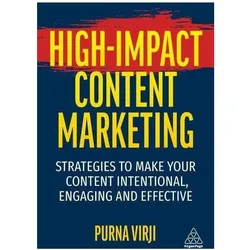
High-Impact Content Marketing: Strategies to Make Your Content Intentional, Engaging and Effective, Fachbücher von Purna VirjiSteigern Sie das Engagement, die Markenreichweite und die Konversionsraten, indem Sie eine optimierte und inklusive Content-Marketing-Strategie umsetzen, die erfolgreich aus der Masse heraussticht.35,50 €*Versand: 0,00 €Sichere Weiterleitung zum Anbieter
-
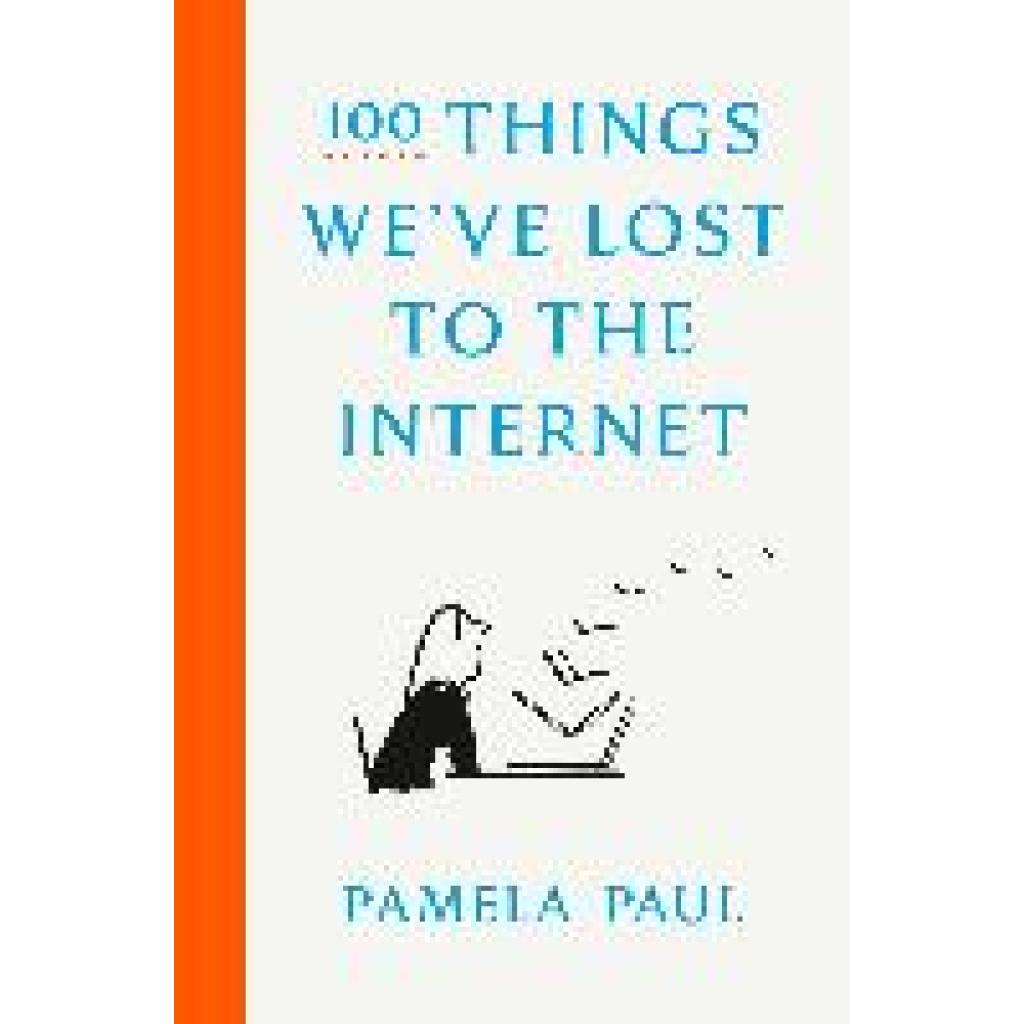
Paul, Pamela: 100 Things We've Lost to the Internet100 Things We've Lost to the Internet , "The acclaimed editor of The New York Times Book Review takes readers on a nostalgic tour of the pre-Internet age, offering powerful insights into both the profound and the seemingly trivial things we've lost. Remember all those ingrained habits, cherished ideas, beloved objects, and stubborn preferences from the pre-Internet age? They're gone. To some of those things we can say good riddance. But many we miss terribly. Whatever our emotional response to this departed realm, we are faced with the fact that nearly every aspect of modern life now takes place in filtered, isolated corners of cyberspace-a space that has slowly subsumed our physical habitats, replacing or transforming the office, our local library, a favorite bar, the movie theater, and the coffee shop where people met one another's gaze from across the room. Even as we've gained the ability to gather without leaving our house, many of the fundamentally human experiences that have sustained us have disappeared. In one hundred glimpses of that pre-Internet world, Pamela Paul, editor of The New York Times Book Review, presents a captivating record, enlivened with illustrations, of the world before cyberspace-from voicemails to blind dates to punctuation to civility. There are the small losses: postcards, the blessings of an adolescence largely spared of documentation, the Rolodex, and the genuine surprises at high school reunions. But there are larger repercussions, too: weaker memories, the inability to entertain oneself, and the utter demolition of privacy. 100 Things We've Lost to the Internet is at once an evocative swan song for a disappearing era and, perhaps, a guide to reclaiming just a little bit more of the world IRL"-- , > , Erscheinungsjahr: 20211026, Produktform: Leinen, Autoren: Paul, Pamela, Abbildungen: LINE DRAWINGS T/O, Themenüberschrift: SOCIAL SCIENCE / Popular Culture, Keyword: social;anthropology;psychology;social media;humor;white elephant gifts;funny gifts;pop culture gifts;swan song;100 things;modern history;cursive handwriting;cursive;rolodex card holder;internet password book;myspace;history;privacy;cultural studies;rolodex;lost;funny books;sociology books;society;new york times;cultural history;cyberspace;social science;culture;21st century;sociology;millennial;pop culture;evolution;tablets;computers;internet;internet of things;comedy;history books;meme, Fachschema: Amerikanische Belletristik / Essay, Feuilleton, Reportage~Englische Bücher / Belletristik / Essay~Internet / Politik, Gesellschaft~Populärkultur~Trivialkultur~Soziologie~Comedy, Fachkategorie: Soziologie~Internet und digitale Medien: Kunst und Performance~Humor im Fernsehen, TV-Comedys, Imprint-Titels: Crown Books, Warengruppe: HC/Belletristik/Lyrik/Dramatik/Essays, UNSPSC: 49019900, Warenverzeichnis für die Außenhandelsstatistik: 49019900, Länge: 218, Breite: 151, Höhe: 27, Gewicht: 402, Produktform: Gebunden, Genre: Importe,22,59 €*Versand: 0,00 €Sichere Weiterleitung zum Anbieter
-
Everybody Writes: Your New and Improved Go-To Guide to Creating Ridiculously Good Content, Schulbücher von Ann HandleyDISCOVER HOW TO WRITE RIDICULOUSLY WELL Packed with proven strategies, fresh frameworks, and fun examples, Everybody Writes will teach you how to create your best work. It's your essential guide to becoming a masterful marketer, writer, and storyteller. 'Funny, insightful, and profoundly transformational. You can't say that about any other book about the craft of becoming a better writer and a more brilliant marketer.' --Andrew Davis, author and keynote speaker 'Writing is a skill, not a talent. That's great news, because it means it can be learned. And who better to teach you the craft of commercial and professional writing than Ann Handley. This book will go a long way to helping you share your ideas and make an impact.' --Seth Godin, author, This Is Marketing 'I never thought Everybody Writes 2 could top the original, but it does. With apologies to Top Gun: Maverick, this is the best sequel. Absolutely indispensable! Buy a copy for all people who use words for any reason.' --Jay Baer, author, Hug Your Haters 'There is no better way to become an exceptional writer than to spend a few hours inside of Ann Handley's head. Everybody Writes v.2 (it's 43.5% funnier) allows you to do just that and more. I LOVED every minute of it. It's a must for anybody...because everybody writes! side.' --Ahava Leibtag, President, Aha Media Group 'This clear-sighted framework will teach you to be a better writer. It makes this daunting topic so approachable, that I got excited just to write this blurb. No joke. side.' --Andy Crestodina, Co-Founder and CMO, Orbit Media Studios 'Here it is--the modern writer's handbook, finely tuned to meet the needs of today's extremely weird world. This book is the coach, cheerleader, and no-nonsense friend every writer should have by their side.' --Beth Dunn, Marketing Fellow at HubSpot.26,10 €*Versand: 0,00 €Sichere Weiterleitung zum Anbieter
-
Moderner Online-Content und die zukünftige Optimierung. Social Media Content, Metriken und KPIs, Taschenbuch von Jonas Pfründer, GRIN,Moderner Online-content Und Die Zukünftige Optimierung. Social Media Content, Metriken Und Kpis, Taschenbuch Von Jonas Pfründer, Grin, 978-3-346-89568-4, Seitenanzahl: 2415,95 €*Versand: 0,00 €Sichere Weiterleitung zum Anbieter

-
Wann benutzt man im Englischen 'to be supposed to' und wann 'to be expected to'?
Im Englischen benutzt man "to be supposed to", um auszudrücken, was von jemandem erwartet wird oder was er tun sollte, basierend auf Regeln, Vereinbarungen oder Erwartungen. "To be expected to" wird verwendet, um auszudrücken, was wahrscheinlich oder erwartet wird, dass jemand tut, basierend auf der Situation oder den Umständen. Beide Ausdrücke beziehen sich auf Erwartungen, aber "to be supposed to" bezieht sich mehr auf externe Regeln oder Vereinbarungen, während "to be expected to" sich auf allgemeine Erwartungen oder Vorhersagen bezieht. **
-
Welche Bedeutung hat die Platzierung von Keywords für die SEO-Optimierung einer Webseite? Wie können Keywords effektiv in den Content eingebunden werden, um die Sichtbarkeit der Webseite zu verbessern?
Die Platzierung von Keywords ist entscheidend für die SEO-Optimierung einer Webseite, da Suchmaschinen wie Google sie verwenden, um den Inhalt einer Seite zu verstehen. Keywords sollten in Titeln, Überschriften, Meta-Tags und im Text selbst verwendet werden, um die Sichtbarkeit der Webseite zu verbessern. Es ist wichtig, dass Keywords natürlich und sinnvoll in den Content eingebunden werden, um sowohl die Lesbarkeit als auch die SEO-Ergebnisse zu optimieren. **
-
Wie bildet man das Present Progressive bei "to be able to" und "to be allowed to"?
Um das Present Progressive bei "to be able to" zu bilden, verwendet man die entsprechende Form von "to be" (am, is, are) im Present Progressive und fügt dann "able to" hinzu. Zum Beispiel: "I am able to swim" oder "She is able to speak French". Bei "to be allowed to" bildet man das Present Progressive ebenfalls mit der entsprechenden Form von "to be" (am, is, are) im Present Progressive und fügt dann "allowed to" hinzu. Zum Beispiel: "We are allowed to park here" oder "He is allowed to stay out late". **
-
Wann soll ich 'able to', 'allowed to' und 'have to' verwenden?
Du solltest "able to" verwenden, wenn du die Fähigkeit oder Möglichkeit hast, etwas zu tun. "Allowed to" wird benutzt, um zu beschreiben, dass du die Erlaubnis hast, etwas zu tun. "Have to" wird verwendet, um auszudrücken, dass du verpflichtet bist, etwas zu tun, also keine Wahl hast. **

Wie beeinflussen Backlinks und Keywords das Ranking einer Webseite in Suchmaschinen?
Backlinks sind Links von anderen Webseiten, die auf deine Webseite verweisen und ihre Autorität erhöhen. Je mehr hochwertige Backlinks eine Webseite hat, desto besser ist ihr Ranking in Suchmaschinen. Keywords sind Wörter oder Phrasen, die auf einer Webseite verwendet werden und die Relevanz für bestimmte Suchanfragen erhöhen. Durch die strategische Platzierung von Keywords auf einer Webseite kann das Ranking in Suchmaschinen verbessert werden. **
Wann benutzt man "not to be supposed to" und wann benutzt man "not to be expected to"?
"not to be supposed to" wird verwendet, um auszudrücken, dass etwas nicht erwartet oder erlaubt ist, basierend auf Regeln, Normen oder Erwartungen. Zum Beispiel: "Kinder sind nicht dazu bestimmt, bis spät in die Nacht aufzubleiben." "not to be expected to" wird verwendet, um auszudrücken, dass etwas nicht erwartet wird, basierend auf den Fähigkeiten oder Möglichkeiten einer Person. Zum Beispiel: "Er ist nicht dazu erwartet, alleine eine komplexe Aufgabe zu lösen." **
Top-Angebote
Produkte zum Begriff To:
-
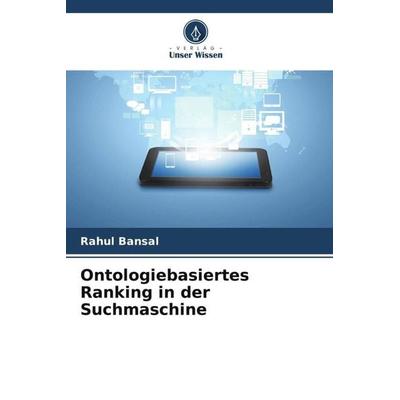
Ontologiebasiertes Ranking in der Suchmaschine, Taschenbuch von Rahul Bansal, Verlag Unser Wissen, 978-620-5-31984-0Ontologiebasiertes Ranking In Der Suchmaschine, Taschenbuch Von Rahul Bansal, Verlag Unser Wissen, 978-620-5-31984-0, Seitenanzahl: 5235,90 €*Versand: 0,00 €Sichere Weiterleitung zum Anbieter
-
High-Impact Content Marketing: Strategies to Make Your Content Intentional, Engaging and Effective, Fachbücher von Purna VirjiSteigern Sie das Engagement, die Markenreichweite und die Konversionsraten, indem Sie eine optimierte und inklusive Content-Marketing-Strategie umsetzen, die erfolgreich aus der Masse heraussticht.35,50 €*Versand: 0,00 €Sichere Weiterleitung zum Anbieter
-
Paul, Pamela: 100 Things We've Lost to the Internet100 Things We've Lost to the Internet , "The acclaimed editor of The New York Times Book Review takes readers on a nostalgic tour of the pre-Internet age, offering powerful insights into both the profound and the seemingly trivial things we've lost. Remember all those ingrained habits, cherished ideas, beloved objects, and stubborn preferences from the pre-Internet age? They're gone. To some of those things we can say good riddance. But many we miss terribly. Whatever our emotional response to this departed realm, we are faced with the fact that nearly every aspect of modern life now takes place in filtered, isolated corners of cyberspace-a space that has slowly subsumed our physical habitats, replacing or transforming the office, our local library, a favorite bar, the movie theater, and the coffee shop where people met one another's gaze from across the room. Even as we've gained the ability to gather without leaving our house, many of the fundamentally human experiences that have sustained us have disappeared. In one hundred glimpses of that pre-Internet world, Pamela Paul, editor of The New York Times Book Review, presents a captivating record, enlivened with illustrations, of the world before cyberspace-from voicemails to blind dates to punctuation to civility. There are the small losses: postcards, the blessings of an adolescence largely spared of documentation, the Rolodex, and the genuine surprises at high school reunions. But there are larger repercussions, too: weaker memories, the inability to entertain oneself, and the utter demolition of privacy. 100 Things We've Lost to the Internet is at once an evocative swan song for a disappearing era and, perhaps, a guide to reclaiming just a little bit more of the world IRL"-- , > , Erscheinungsjahr: 20211026, Produktform: Leinen, Autoren: Paul, Pamela, Abbildungen: LINE DRAWINGS T/O, Themenüberschrift: SOCIAL SCIENCE / Popular Culture, Keyword: social;anthropology;psychology;social media;humor;white elephant gifts;funny gifts;pop culture gifts;swan song;100 things;modern history;cursive handwriting;cursive;rolodex card holder;internet password book;myspace;history;privacy;cultural studies;rolodex;lost;funny books;sociology books;society;new york times;cultural history;cyberspace;social science;culture;21st century;sociology;millennial;pop culture;evolution;tablets;computers;internet;internet of things;comedy;history books;meme, Fachschema: Amerikanische Belletristik / Essay, Feuilleton, Reportage~Englische Bücher / Belletristik / Essay~Internet / Politik, Gesellschaft~Populärkultur~Trivialkultur~Soziologie~Comedy, Fachkategorie: Soziologie~Internet und digitale Medien: Kunst und Performance~Humor im Fernsehen, TV-Comedys, Imprint-Titels: Crown Books, Warengruppe: HC/Belletristik/Lyrik/Dramatik/Essays, UNSPSC: 49019900, Warenverzeichnis für die Außenhandelsstatistik: 49019900, Länge: 218, Breite: 151, Höhe: 27, Gewicht: 402, Produktform: Gebunden, Genre: Importe,22,59 €*Versand: 0,00 €Sichere Weiterleitung zum Anbieter
-
Wie beeinflusst die Optimierung von Keywords und Meta-Tags das Suchmaschinen-Ranking einer Webseite?
Die Optimierung von Keywords und Meta-Tags kann das Suchmaschinen-Ranking einer Webseite positiv beeinflussen, da Suchmaschinen diese Informationen verwenden, um den Inhalt und die Relevanz einer Seite zu bewerten. Durch die Verwendung relevanter Keywords in den Meta-Tags und im Inhalt der Webseite können Suchmaschinen die Seite besser verstehen und entsprechend einordnen. Eine gezielte Optimierung kann dazu führen, dass die Webseite in den Suchergebnissen höher platziert wird, was wiederum zu mehr Traffic und Sichtbarkeit führt. Allerdings sollte die Optimierung natürlich immer im Einklang mit den Richtlinien der Suchmaschinen erfolgen, um negative Auswirkungen zu vermeiden. **
-
Wie kann man durch Content-Optimierung die Sichtbarkeit und das Ranking einer Webseite in Suchmaschinen verbessern? Wie können Unternehmen ihre Online-Präsenz durch gezielte Content-Optimierung steigern?
Durch die Verwendung relevanter Keywords, die Strukturierung von Inhalten und die Optimierung von Meta-Tags kann die Sichtbarkeit und das Ranking einer Webseite in Suchmaschinen verbessert werden. Unternehmen können ihre Online-Präsenz steigern, indem sie hochwertige und relevante Inhalte erstellen, regelmäßig aktualisieren und auf die Bedürfnisse ihrer Zielgruppe ausrichten. Außerdem ist es wichtig, Backlinks von vertrauenswürdigen Websites zu erhalten und die Ladezeiten der Webseite zu optimieren. **
-
Wann benutzt man im Englischen 'to be supposed to' und wann 'to be expected to'?
Im Englischen benutzt man "to be supposed to", um auszudrücken, was von jemandem erwartet wird oder was er tun sollte, basierend auf Regeln, Vereinbarungen oder Erwartungen. "To be expected to" wird verwendet, um auszudrücken, was wahrscheinlich oder erwartet wird, dass jemand tut, basierend auf der Situation oder den Umständen. Beide Ausdrücke beziehen sich auf Erwartungen, aber "to be supposed to" bezieht sich mehr auf externe Regeln oder Vereinbarungen, während "to be expected to" sich auf allgemeine Erwartungen oder Vorhersagen bezieht. **
-
Welche Bedeutung hat die Platzierung von Keywords für die SEO-Optimierung einer Webseite? Wie können Keywords effektiv in den Content eingebunden werden, um die Sichtbarkeit der Webseite zu verbessern?
Die Platzierung von Keywords ist entscheidend für die SEO-Optimierung einer Webseite, da Suchmaschinen wie Google sie verwenden, um den Inhalt einer Seite zu verstehen. Keywords sollten in Titeln, Überschriften, Meta-Tags und im Text selbst verwendet werden, um die Sichtbarkeit der Webseite zu verbessern. Es ist wichtig, dass Keywords natürlich und sinnvoll in den Content eingebunden werden, um sowohl die Lesbarkeit als auch die SEO-Ergebnisse zu optimieren. **
Ähnliche Suchbegriffe für To
-
Everybody Writes: Your New and Improved Go-To Guide to Creating Ridiculously Good Content, Schulbücher von Ann HandleyDISCOVER HOW TO WRITE RIDICULOUSLY WELL Packed with proven strategies, fresh frameworks, and fun examples, Everybody Writes will teach you how to create your best work. It's your essential guide to becoming a masterful marketer, writer, and storyteller. 'Funny, insightful, and profoundly transformational. You can't say that about any other book about the craft of becoming a better writer and a more brilliant marketer.' --Andrew Davis, author and keynote speaker 'Writing is a skill, not a talent. That's great news, because it means it can be learned. And who better to teach you the craft of commercial and professional writing than Ann Handley. This book will go a long way to helping you share your ideas and make an impact.' --Seth Godin, author, This Is Marketing 'I never thought Everybody Writes 2 could top the original, but it does. With apologies to Top Gun: Maverick, this is the best sequel. Absolutely indispensable! Buy a copy for all people who use words for any reason.' --Jay Baer, author, Hug Your Haters 'There is no better way to become an exceptional writer than to spend a few hours inside of Ann Handley's head. Everybody Writes v.2 (it's 43.5% funnier) allows you to do just that and more. I LOVED every minute of it. It's a must for anybody...because everybody writes! side.' --Ahava Leibtag, President, Aha Media Group 'This clear-sighted framework will teach you to be a better writer. It makes this daunting topic so approachable, that I got excited just to write this blurb. No joke. side.' --Andy Crestodina, Co-Founder and CMO, Orbit Media Studios 'Here it is--the modern writer's handbook, finely tuned to meet the needs of today's extremely weird world. This book is the coach, cheerleader, and no-nonsense friend every writer should have by their side.' --Beth Dunn, Marketing Fellow at HubSpot.26,10 €*Versand: 0,00 €Sichere Weiterleitung zum Anbieter
-
Moderner Online-Content und die zukünftige Optimierung. Social Media Content, Metriken und KPIs, Taschenbuch von Jonas Pfründer, GRIN,Moderner Online-content Und Die Zukünftige Optimierung. Social Media Content, Metriken Und Kpis, Taschenbuch Von Jonas Pfründer, Grin, 978-3-346-89568-4, Seitenanzahl: 2415,95 €*Versand: 0,00 €Sichere Weiterleitung zum Anbieter
-
Analyse und Anwendung von One-to-One Marketing im Internet im Hinblick auf den Mehrwert für Kunden, Taschenbuch von Thorsten Schmidt, GRIN,Analyse Und Anwendung Von One-to-one Marketing Im Internet Im Hinblick Auf Den Mehrwert Für Kunden, Taschenbuch Von Thorsten Schmidt, Grin, 978-3-638-86734-4, Seitenanzahl: 3218,95 €*Versand: 0,00 €Sichere Weiterleitung zum Anbieter
-
Elektronische Zahlungssysteme im Internet. Die verschiedenen Internet-Zahlungssysteme für den Business-to-consumer-Bereich, Taschenbuch von ThomasElektronische Zahlungssysteme Im Internet. Die Verschiedenen Internet-zahlungssysteme Für Den Business-to-consumer-bereich, Taschenbuch Von Thomas Hille, Grin, 978-3-640-15537-8, Seitenanzahl: 10047,95 €*Versand: 0,00 €Sichere Weiterleitung zum Anbieter
-
Wie bildet man das Present Progressive bei "to be able to" und "to be allowed to"?
Um das Present Progressive bei "to be able to" zu bilden, verwendet man die entsprechende Form von "to be" (am, is, are) im Present Progressive und fügt dann "able to" hinzu. Zum Beispiel: "I am able to swim" oder "She is able to speak French". Bei "to be allowed to" bildet man das Present Progressive ebenfalls mit der entsprechenden Form von "to be" (am, is, are) im Present Progressive und fügt dann "allowed to" hinzu. Zum Beispiel: "We are allowed to park here" oder "He is allowed to stay out late". **
-
Wann soll ich 'able to', 'allowed to' und 'have to' verwenden?
Du solltest "able to" verwenden, wenn du die Fähigkeit oder Möglichkeit hast, etwas zu tun. "Allowed to" wird benutzt, um zu beschreiben, dass du die Erlaubnis hast, etwas zu tun. "Have to" wird verwendet, um auszudrücken, dass du verpflichtet bist, etwas zu tun, also keine Wahl hast. **
-
Wie beeinflussen Backlinks und Keywords das Ranking einer Webseite in Suchmaschinen?
Backlinks sind Links von anderen Webseiten, die auf deine Webseite verweisen und ihre Autorität erhöhen. Je mehr hochwertige Backlinks eine Webseite hat, desto besser ist ihr Ranking in Suchmaschinen. Keywords sind Wörter oder Phrasen, die auf einer Webseite verwendet werden und die Relevanz für bestimmte Suchanfragen erhöhen. Durch die strategische Platzierung von Keywords auf einer Webseite kann das Ranking in Suchmaschinen verbessert werden. **
-
Wann benutzt man "not to be supposed to" und wann benutzt man "not to be expected to"?
"not to be supposed to" wird verwendet, um auszudrücken, dass etwas nicht erwartet oder erlaubt ist, basierend auf Regeln, Normen oder Erwartungen. Zum Beispiel: "Kinder sind nicht dazu bestimmt, bis spät in die Nacht aufzubleiben." "not to be expected to" wird verwendet, um auszudrücken, dass etwas nicht erwartet wird, basierend auf den Fähigkeiten oder Möglichkeiten einer Person. Zum Beispiel: "Er ist nicht dazu erwartet, alleine eine komplexe Aufgabe zu lösen." **
* Alle Preise verstehen sich inklusive der gesetzlichen Mehrwertsteuer und ggf. zuzüglich Versandkosten. Die Angebotsinformationen basieren auf den Angaben des jeweiligen Shops und werden über automatisierte Prozesse aktualisiert. Eine Aktualisierung in Echtzeit findet nicht statt, so dass es im Einzelfall zu Abweichungen kommen kann. ** Hinweis: Teile dieses Inhalts wurden von KI erstellt.